Learn Tactical Reads With Poker Bluffing Guide
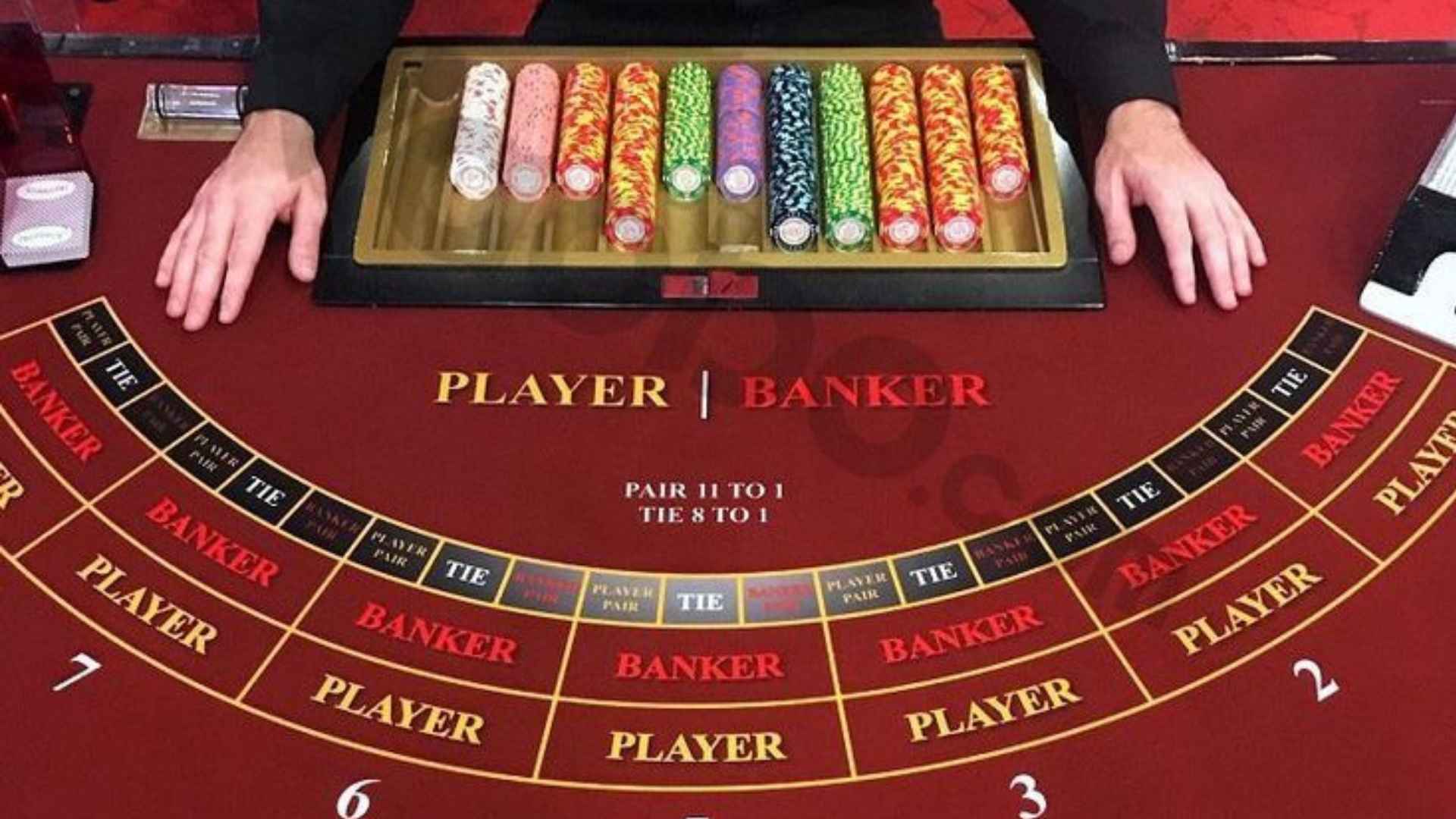
Developing a sharp mind at the card table requires more than just knowing when you hold a winning hand. True proficiency comes from interpreting the hidden intentions of your opponents through subtle changes in their betting behavior. By understanding these subtle cues, players can make highly calculated decisions that protect their chips and maximize potential returns.
The Power of Table Observation
Every action a player takes provides valuable clues about their current psychological state and strategy. Dedicated competitors closely monitor how quickly their rivals place bets and how their physical demeanor shifts during high-stakes moments. Gathering this data over several rounds allows you to build accurate profiles and execute successful counter-strategies.
Many analytical players use dedicated tracking tools or practice regularly on platforms like M88 slot to sharpen their observational habits. Recognizing specific behavioral patterns helps you determine whether an opponent is acting out of strength or vulnerability. This structured approach replaces emotional guesswork with logical, data-driven decisions during intense matches.
Decoding Betting Sized Tells
Bet sizing represents one of the most reliable indicators of an opponent's true position strength. Sudden deviations from a player's normal betting amounts often signal a calculated attempt to manipulate the pot. For example, an unusually small bet might be an invitation to call, while an oversized wager could indicate a desperate bluff.
To exploit these tells effectively, you must compare the current bet against the historical patterns established by that specific player. Consistency in your own sizing also prevents savvy rivals from picking up similar reads on your gameplay style. Balancing your distribution ensures that your strategic story remains highly credible throughout the session.
Analyzing Timing and Response Patterns
The amount of time an individual takes before making a choice can reveal significant tactical information. An immediate check often demonstrates a lack of interest in the current board texture, suggesting weakness. Conversely, a long pause followed by a massive raise usually indicates a deeply calculated value bet or a highly coordinated deception.
Understanding these timing variations allows you to navigate complex tournament structures and cash games with greater confidence. It is essential to remain patient and avoid rushing your own decisions, as artificial pacing can confuse your rivals. Cultivating a disciplined response routine helps maintain a solid table presence under pressure.
Adapting Strategy to Opponent Types
Adjusting your tactical reads based on the specific personalities at the table is crucial for long-term profitability. Tight players require a different approach than highly aggressive opponents who frequently contest every single pot. Recognizing these differences prevents you from executing risky maneuvers against individuals who rarely fold their cards.
Continued practice and deliberate analysis will ultimately transform these advanced principles into second-nature habits. Reviewing your past sessions helps identify minor tactical errors and improves your overall reading accuracy over time. Maintaining this analytical mindset ensures steady improvement and reliable performance across various gaming environments.